
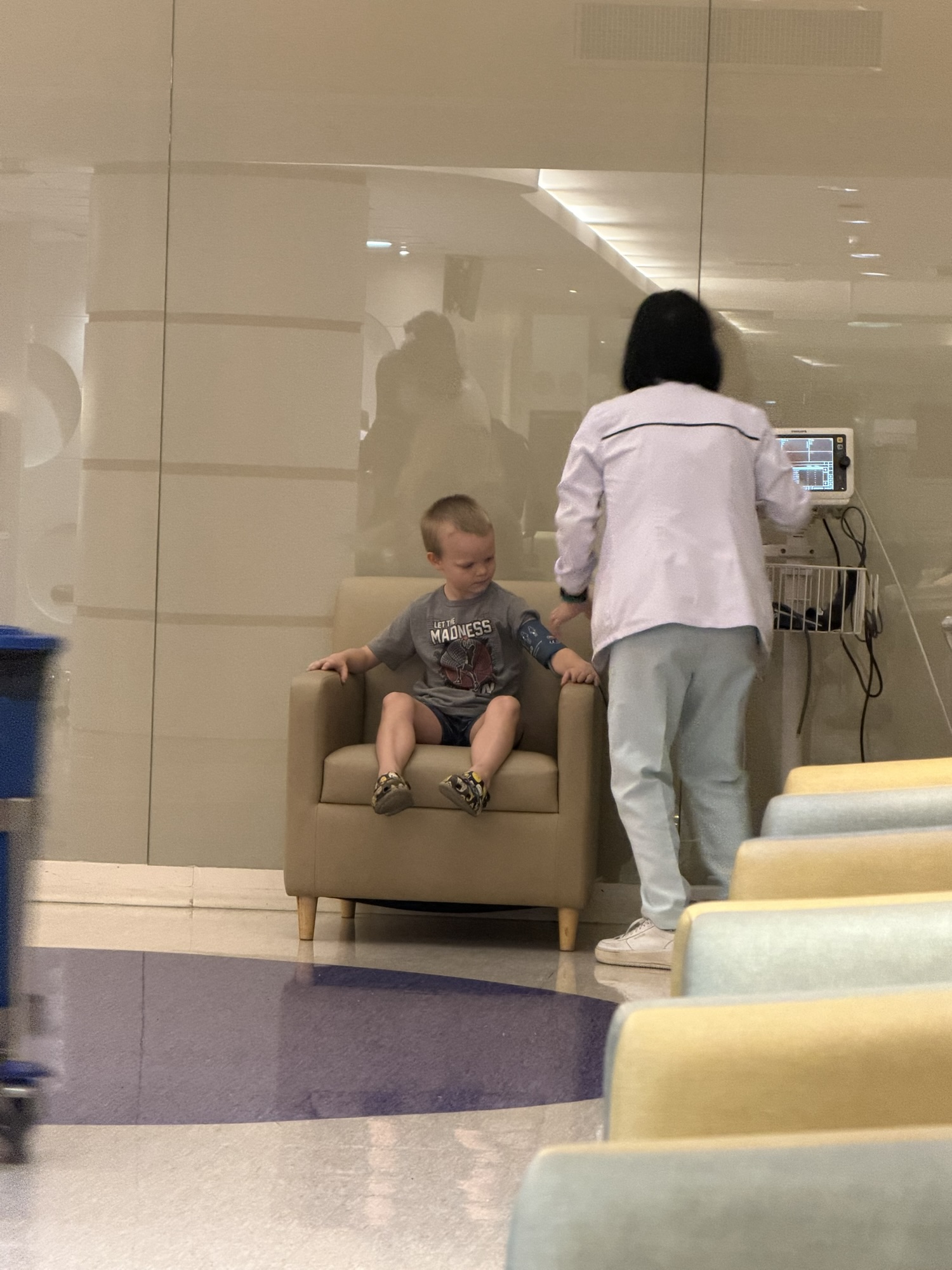
There’s a version of travel that lives in photos.
And then there’s the version that happens at 2am, when something hurts, something feels off, or you realize you need help in a place that isn’t home.
We’ve now experienced both.
And somewhere between hospital visits, dental work, and pharmacy stops, we’ve learned something important:
Medical care abroad isn’t something to fear.
But it is something to understand.
The Reality of Getting Medical Care Abroad
Before traveling long-term, this was one of our biggest unknowns.
What happens if someone gets sick?
What if something goes wrong?
Will we be able to find good care?
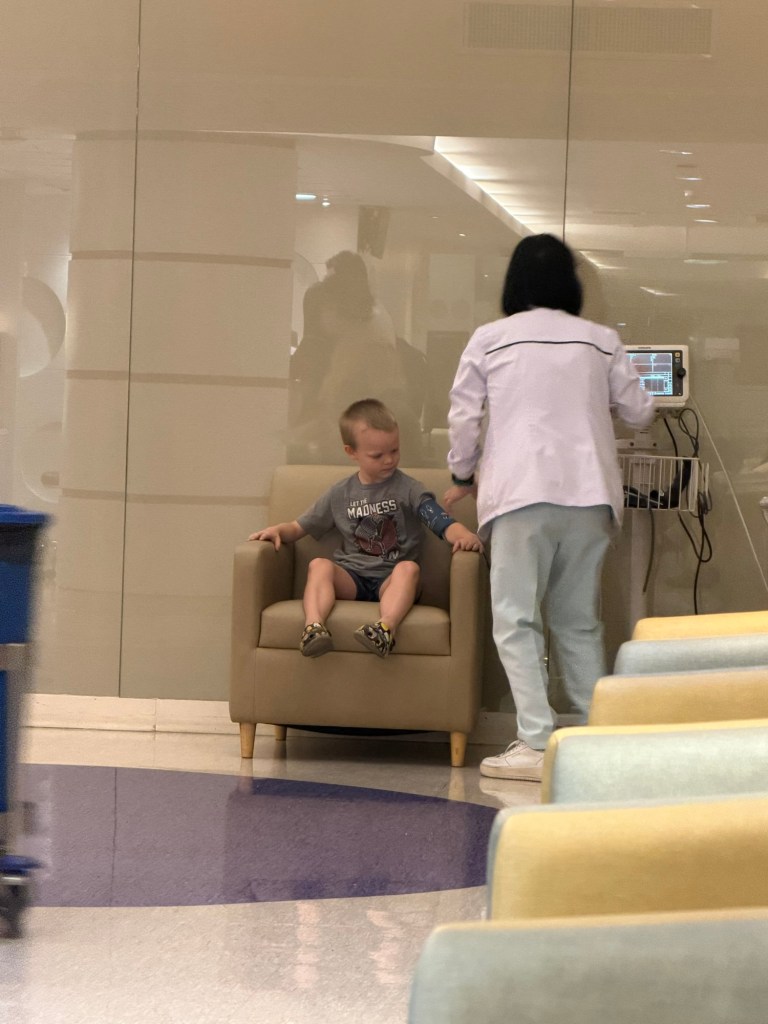
What we’ve found is that in many places, especially throughout Southeast Asia, healthcare is not only accessible… it’s often faster and more efficient than what we were used to.
In places like Thailand, we found hospitals and clinics that were modern, efficient, and easy to navigate—even as a traveling family with kids.
We’ve been able to:
– see doctors quickly
– receive treatment without long waits
– get clear answers without layers of delays
But “easy” doesn’t mean effortless.
Because when it’s your child, everything carries more weight.
Quick Answers About Medical Care Abroad
Is medical care abroad safe for kids?
In many countries, including Thailand, we found medical care to be safe, modern, and efficient. Facilities were clean, doctors were experienced, and care was often faster than what we were used to.
Can you get prescriptions easily abroad?
Yes. In many places, doctors and pharmacies are easy to access, and medications are often available quickly. We still recommend double-checking names, dosages, and equivalents.
What does medical care abroad cost?
Costs can vary widely, but in our experience, care in Thailand was significantly more affordable than expected, even for dental procedures and hospital visits.
What should you bring for medical care abroad?
A list of medications, basic medical history, and travel insurance details made everything easier for us.
Getting a Prescription Abroad (With Kids)
One of the moments that stood out most for us wasn’t the hospital stay or even the dental work.
It was needing a prescription for one of our children.
That’s the kind of situation that feels small until you’re in it… in a different country, navigating a different system, and trying to make the right decision quickly.
What we found was that the process itself was more straightforward than we expected. Doctors were accessible, pharmacies were well-stocked, and in many cases, things moved faster than what we’ve experienced before.
But emotionally, it still felt different.
As a parent, there’s always that extra layer of pause:
– Is this the right medication?
– Are we understanding everything correctly?
– Is this equivalent to what we’d get at home?
Those questions don’t disappear just because the system is efficient.
What helped us most was slowing down enough to ask questions, double-check names and dosages, and trust that good care exists in many parts of the world, even if it looks a little different than what we’re used to.
It wasn’t a dramatic moment.
But it was a meaningful one.
Because it reminded us that traveling with kids isn’t just about where you go…
It’s about how you handle the unexpected when it shows up.
When It’s More Than Minor (Dental + Hospital Experience)
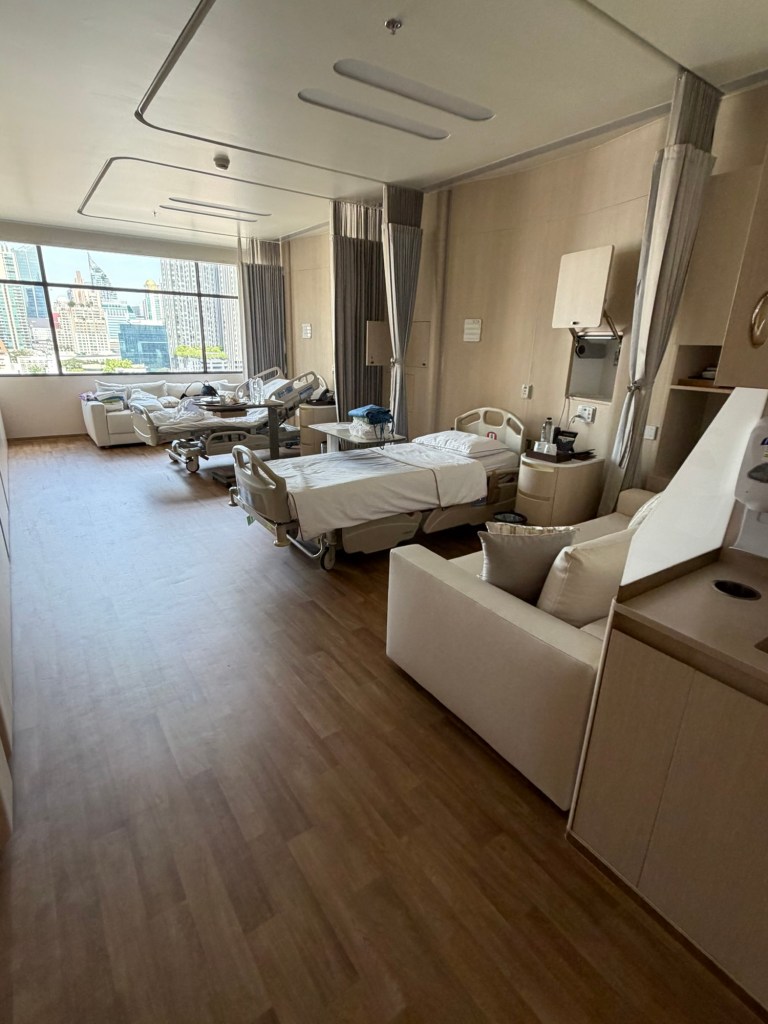
We’ve also had moments that felt a little bigger.
In our case, this included emergency dental work in Chiang Mai and an overnight hospital stay in Bangkok.
And yet, what stood out most wasn’t fear.
It was how capable these systems were.
Modern facilities, attentive care, and a level of efficiency that, at times, surprised us.
That doesn’t mean every experience will be perfect.
But it does mean that good care exists far beyond what many of us are used to relying on.
What Helped Us Navigate It
A few things made all the difference for us:
– Having international health insurance
– Keeping a simple list of medications and medical history
– Taking photos of prescriptions and labels
– Asking questions, even when it felt uncomfortable
– Slowing down instead of rushing decisions
None of these are complicated.
But in the moment, they matter.
The Emotional Side No One Talks About
Logistics are one thing.
But there’s also the emotional layer.
Making decisions for your child in a different country carries a different kind of weight.
Even when everything is going well, there’s a quiet awareness that you’re outside your usual system.
And yet, with each experience, that uncertainty fades a little.
Confidence builds.
Not because things never go wrong…
…but because you learn that you can handle it when they do.
Our Honest Take
Healthcare abroad isn’t something we avoid.
It’s something we’ve learned to navigate.
And in many ways, it’s become one of the most grounding parts of long-term travel.
Because it reminds us that this isn’t just a trip.
It’s real life.
And real life doesn’t pause just because you’re in a new place.
If you’re navigating travel with kids, you might also find this helpful:
Emergency Dental Work in Thailand: What Happened and What It Cost
Even during something as simple as the drive to Pai with kids, we were reminded how important it is to be prepared.
This is part of what long-term travel actually looks like for our family.
Our honest first impressions of Siem Reap (coming soon)
 The Curious Compass Co.™